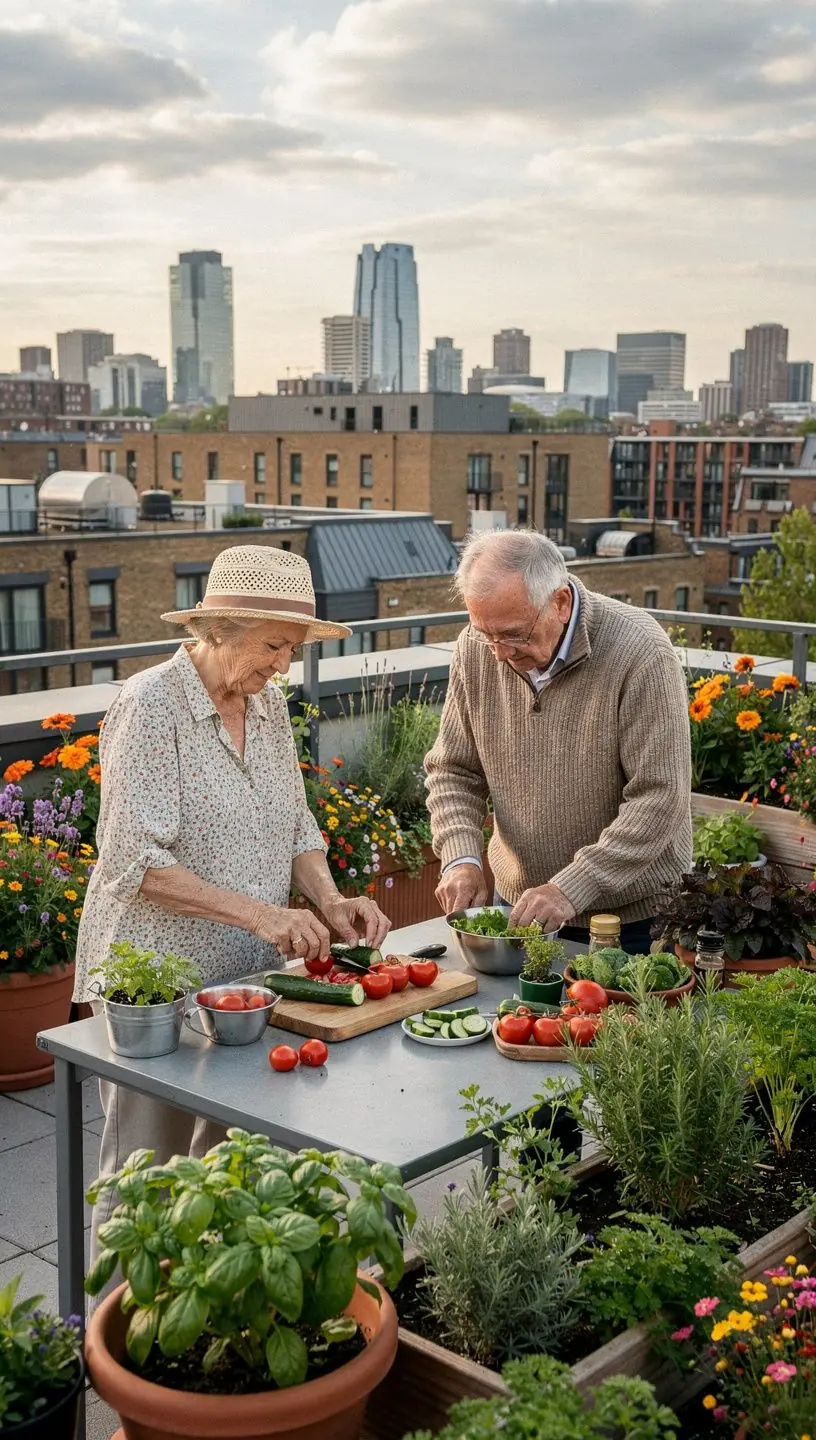
Maximizing Sunlight Exposure on Balconies
In urban environments, balconies can be transformed into vibrant green spaces, but maximizing sunlight exposure is crucial for healthy plant growth. This article explores effective strategies for optimizing sunlight on your balcony garden.
Understanding Sunlight Requirements
Plants have varying requirements for sunlight, typically categorized into full sun, partial shade, and full shade. According to research, many vegetables and flowering plants thrive best in full sun, which is defined as receiving at least 6 hours of direct sunlight daily. Understanding the sunlight needs of your chosen plants is essential for successful balcony gardening.

"Studies show that plants receiving adequate sunlight can increase yield by 20-30%, especially in controlled environments like balconies."
Assessing Your Balcony’s Sunlight Patterns
Before planting, it’s important to assess how sunlight hits your balcony throughout the day. The following steps can help:
- Time Tracking: For a week, note the times when your balcony receives sunlight and for how long. This will help you identify sunny and shaded areas.
- Observe Seasonal Changes: Sunlight patterns can change with the seasons. Be aware of how trees, buildings, and other structures may cast shadows at different times of the year.
- Use a Light Meter: If available, a light meter can give precise readings of sunlight intensity, helping you make informed decisions about plant placement.
Strategies to Maximize Sunlight Exposure
Once you understand your balcony's sunlight patterns, you can implement various strategies to enhance sunlight exposure:
- Adjust Plant Placement: Position taller plants or structures toward the back or sides of your balcony to minimize shading on shorter plants.
- Use Reflective Surfaces: Incorporate materials such as white walls or reflective pots to bounce sunlight back onto your plants. This approach can increase light exposure significantly.
- Choose the Right Containers: Opt for lightweight materials that can be easily moved. This allows you to adjust your garden layout based on sunlight changes over time.
- Consider Climbing Plants: Utilizing vertical space with climbing plants can help maximize light usage while allowing you to grow more in limited space.
Maintaining Your Balcony Garden
Creating a sun-friendly balcony garden also requires ongoing maintenance:
- Regular Pruning: Keep plants trimmed to prevent overcrowding and ensure all plants receive adequate light. This is especially important for plants that tend to grow bushy.
- Rotate Plants: Periodically rotating plants can help ensure that all sides get sunlight exposure, promoting balanced growth.
- Monitor Weather Effects: Storms or high winds can shift your plants or block sunlight. Regularly check your balcony after severe weather to readjust your setup.
Conclusion
Maximizing sunlight exposure on your balcony is a combination of understanding your environment, strategic planning, and ongoing maintenance. By implementing the strategies discussed, you can create a thriving balcony garden that enhances your urban living space. Remember, results typically manifest over time, and patience is key as you observe and adapt your growing environment to suit your plants' needs.
Discover More