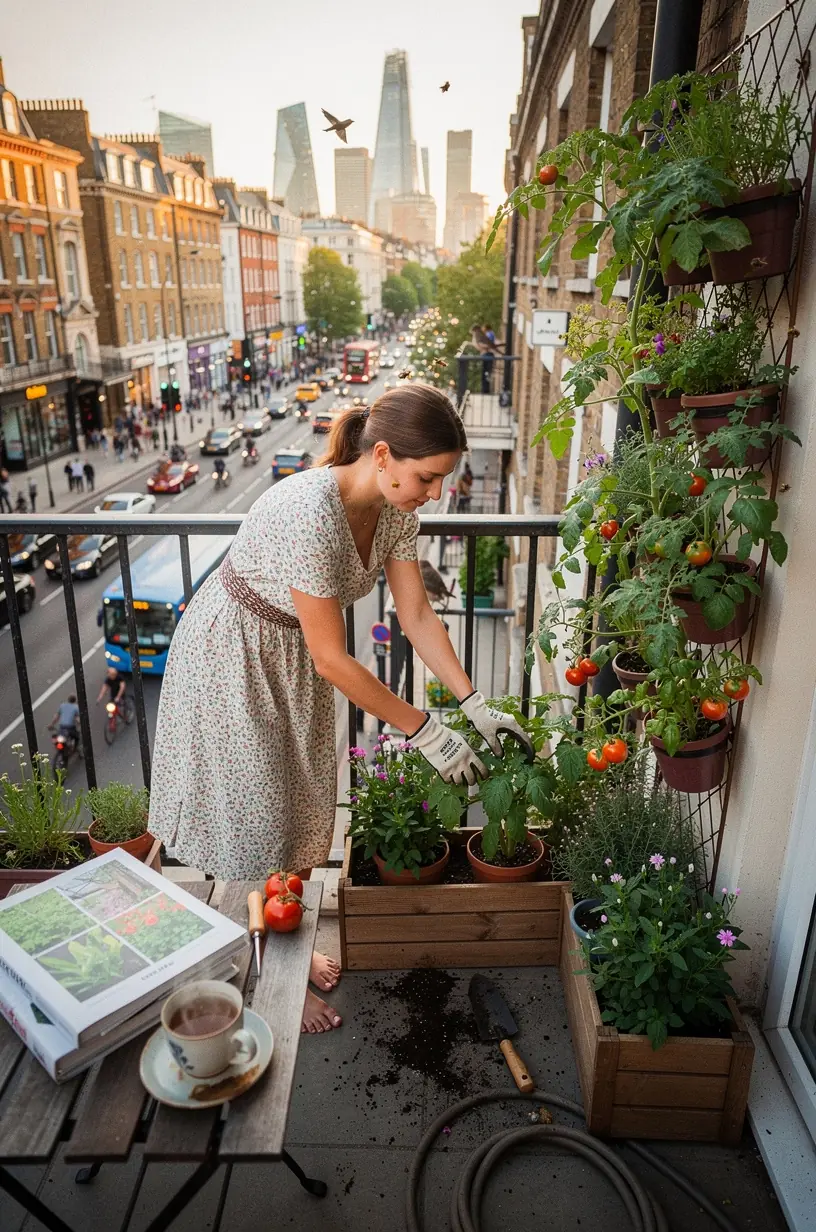
The Role of Urban Gardening in Community Wellbeing
Urban gardening has emerged as a vital practice that not only enhances the environment but also fosters community wellbeing. As cities become increasingly populated, the significance of green spaces and community engagement through gardening has gained attention.
Understanding the Importance of Urban Gardening
Urban gardening encompasses a range of practices, from growing flowers and vegetables in community gardens to balcony setups in residential areas. According to research published in the Journal of Urban Health, urban gardening can significantly improve psychological wellbeing by providing residents with a sense of purpose and connection to their food sources.
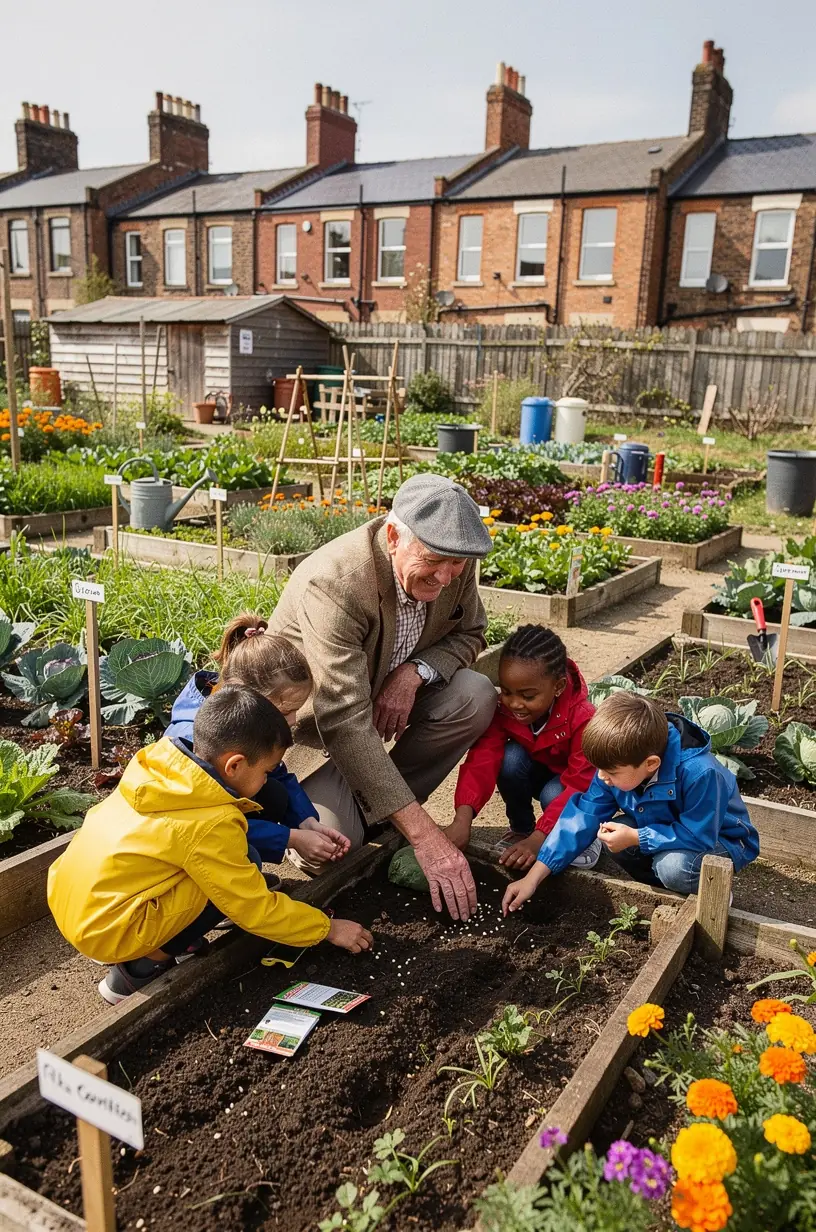
"Studies indicate that individuals engaged in community gardening report lower levels of stress and higher life satisfaction." – Urban Health Research
Benefits to Community Wellbeing
The benefits of urban gardening extend beyond individual enjoyment. Here are some key aspects:
- Social Interaction: Gardening typically fosters interactions among neighbors, promoting a sense of belonging. Many users report that community gardening projects often lead to lasting friendships.
- Access to Fresh Produce: Urban gardens can improve access to fresh fruits and vegetables, which research shows is linked to better nutrition and health outcomes.
- Environmental Impact: Engaging in gardening helps improve air quality and supports biodiversity, which contributes to a healthier urban environment.
Getting Started with Urban Gardening
Starting an urban garden can be a rewarding endeavor, but it typically requires planning and commitment. Here’s how you can begin:
- Assess Your Space: Identify available areas for gardening, whether it’s a balcony, rooftop, or a local community plot.
- Choose Your Plants: Experts recommend starting with easy-to-grow vegetables or herbs, especially if you're new to gardening.
- Engage with Your Community: Join local gardening groups or forums to share experiences and tips, which can enhance your learning journey.
Challenges to Consider
While urban gardening can be beneficial, it’s essential to acknowledge some limitations. Gardening requires ongoing commitment, typically involving daily or weekly maintenance. Additionally, results may take time; urban gardens often take several months to flourish. For some, local regulations may restrict certain gardening practices, so it's advisable to check community guidelines.
Conclusion
Urban gardening plays a crucial role in enhancing community wellbeing through social interaction, improved access to fresh food, and environmental benefits. By starting your own urban garden or participating in community gardening initiatives, you can contribute to a healthier and happier community. Remember, the process may require time and effort, but the rewards can significantly enrich your life and the lives of those around you.