How to Start Composting in Urban Environments
Composting can be an effective way to reduce waste and create nutrient-rich soil, even in urban settings. This article will guide you through the basics of starting a compost system at home, ensuring you understand the process and what to expect.
Understanding the Basics of Composting
Composting is the natural process of recycling organic matter, such as food scraps and yard waste, into a valuable fertilizer for plants. According to research, composting can help divert up to 30% of household waste from landfills, which is significant in densely populated urban areas.
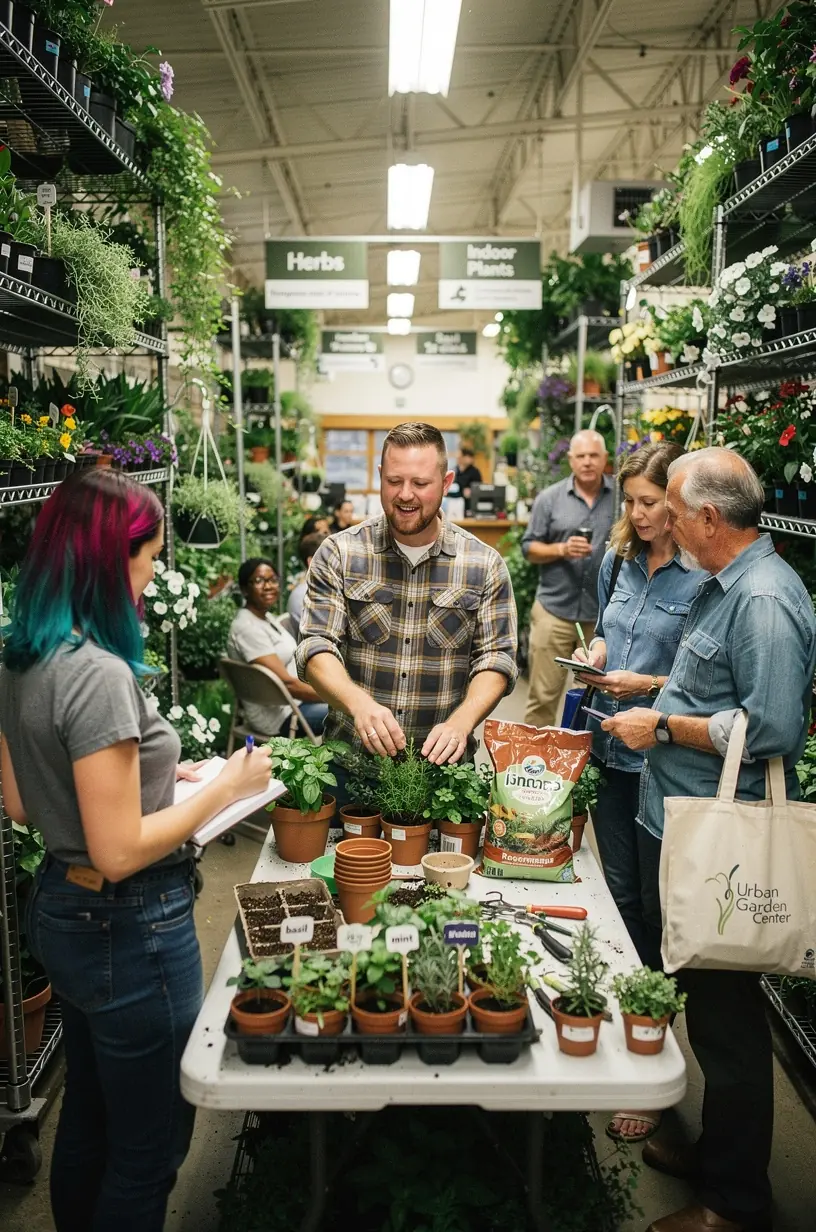
Experts suggest that the key to successful composting lies in creating the right balance of materials—known as the "greens" (nitrogen-rich items) and "browns" (carbon-rich items). This balance encourages beneficial microorganisms to break down the materials efficiently.
"Composting is a sustainable practice that benefits both the environment and urban gardeners." - Composting Expert
Choosing the Right Composting Method
There are several methods to compost in urban environments, each with its own benefits. Here are a few popular options:
- Traditional Compost Bin: A bin that can hold a large volume of materials, suitable for those with outdoor space. This method typically takes 2-6 months to produce compost.
- Worm Composting (Vermicomposting): Utilizing red worms to break down food scraps indoors or on a balcony. This method is often faster, taking as little as 4-8 weeks, but requires regular attention.
- Compost Tumbler: A rotating bin that accelerates the composting process. Typically, this method can yield compost in about 4-6 weeks, provided the right conditions are maintained.
- Bokashi Composting: A fermentation process that can compost food waste, including meat and dairy, which are usually not recommended for traditional composting. This method is effective but requires a specific starter culture and may take a bit longer to yield finished compost.
Getting Started with Your Compost
Once you’ve chosen your composting method, follow these steps to start:
- Set Up Your Composting Area: Choose a suitable location that is easily accessible. For traditional bins, ensure it is in a well-drained area.
- Add Materials: Begin layering your greens and browns. A general rule of thumb is to use three parts browns to one part greens for optimal results.
- Maintain Your Compost: Regularly turn the compost (for bins and tumblers) to aerate it and speed up the decomposition process. This typically requires a few minutes a week.
- Monitor the Moisture: Compost should be moist but not soggy. If it feels too dry, add water; if too wet, add more dry materials.
- Harvesting Your Compost: In most cases, compost is ready when it resembles dark, crumbly soil and has a pleasant earthy smell. This can take anywhere from weeks to months, depending on your method.
Common Challenges and Solutions
Composting in urban environments comes with its own set of challenges, such as limited space and potential odors. Here are some tips to address these issues:
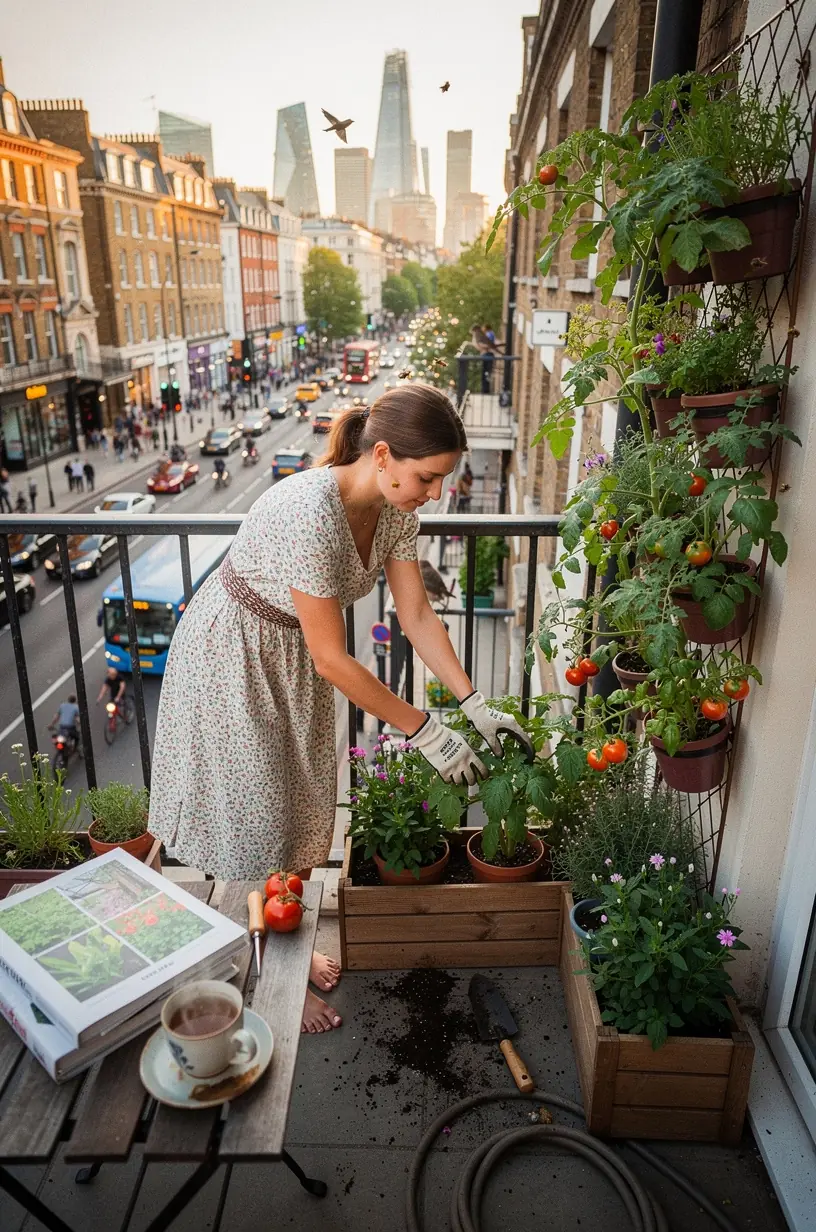
- For small spaces, consider using a worm bin or Bokashi method, which can fit under sinks or on balconies.
- To avoid odors, ensure you maintain the right balance of greens and browns, and avoid adding meat or dairy products in traditional composting methods.
- Regularly aerate your compost to prevent it from becoming overly compacted, which can lead to unpleasant smells.
Conclusion
Starting a composting system in an urban environment can be a rewarding endeavor that contributes to sustainability while enhancing your gardening efforts. While it may require some initial effort and adjustment, the long-term benefits, such as reducing waste and creating rich soil, are well worth it. Remember that composting is a journey; with patience and practice, you can develop a reliable system that works for your lifestyle.
Discover More